
Hey Eco-Savvy Shopper!
Ever walk down the appliance aisle feeling overwhelmed by all the choices? You want to make a smart pick for your home, but all that tech jargon can make your head spin. This is where the Energy Star label comes in – it’s like a superhero cape for appliances, letting you know you’re getting something that’s good for your wallet and the planet!

So, what’s the deal with Energy Star?
Think of it like a government-backed thumbs up for energy-efficient products. Criteria are set by the Environmental Protection Agency (EPA) and Department of Energy (DOE) in collaboration with manufacturers, retailers, utilities, environmental groups, and other stakeholders. Products that qualify for the Energy Star designation typically use significantly less energy than their regular counterparts, meaning lower utility bills and lower environmental impact, which is awesome.
Back in 1992 the EPA and Department of Energy set the bar high, and that translates to real savings on your electricity bill – cha-ching! But it’s not just about saving a few bucks. By using less energy, these superheroes are also helping to fight climate change, one kilowatt at a time. Pretty cool, right?
Beyond the huge benefits from energy savings and less environmental impact, here are four more reasons why Energy Star certified products are the right decision. They have to meet energy efficiency standards without giving up performance, which means they operate the same or better than conventional models. Moreover, because they use better quality components and insulation, they last longer than standard models. A huge perk is that the government and utilities often offer rebates, tax credits and other incentives which can offset the cost to purchase an Energy Star product. They also have higher resale value to boot!

How Does a Product Earn the Energy Star Label?
Not all products can get that precious Energy Star label. The process involves rigorous testing and adherence to energy efficiency standards set by the US Department of Energy. Here’s how it works:
1. Standards Development
The EPA sets required performance standards based on several key guiding principles: The product must contribute significant energy savings nationwide and promise the consumer features and performance they desire, in addition to increased energy efficiency. Also, if the certified product costs more than a conventional, non-certified counterpart, purchasers will recover their investment through utility bill savings within a reasonable period.
2. Certification Process
Once a product is developed that meets or exceeds these standards, it undergoes certification testing by an EPA-recognized third-party. This ensures that the manufacturer’s claims are valid and that the product truly deserves the Energy Star mark.
So, the label acts as a threshold award maintained by the EPA, products beating the energy efficiency, savings, and performance benchmarks qualify.
How to Identify Energy Star Products
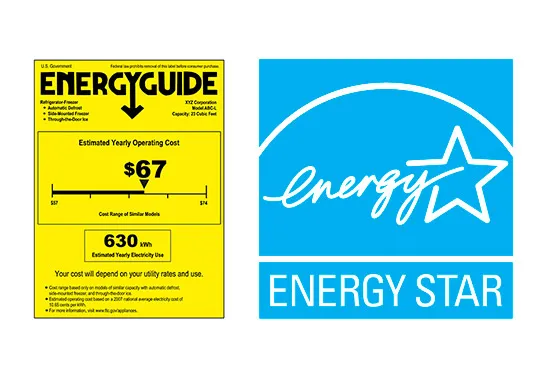
Look for the Energy Star label when shopping for appliances and electronics. The Energy Star label is blue and white and features a star design. The label will also list the product’s key energy-saving features and estimated annual energy costs. You can also find a comprehensive list of Energy Star products on the Energy Star website, at https://www.energystar.gov/. It’s like a massive online directory of all things Energy Star certified.
But what’s that other yellow label I’ve seen on appliances?
In addition to Energy Star, you will also often see a large yellow and black label on appliances and other products called the EnergyGuide label. The Federal Trade Commission (FTC) manages the EnergyGuide label as part of its consumer protection initiatives. The FTC has an Appliance Labeling Rule, which requires manufacturers to attach those EnergyGuide labels to most major home appliances, televisions, heating and cooling equipment, lighting, and plumbing products to help consumers compare their energy efficiency measured in annual energy costs.
The figure you see at the bottom of the EnergyGuide label represents the estimated annual operating cost, calculated using the national average for electricity prices. Keep in mind, your actual expenses might vary, depending on local utility rates and the specific type and source of energy you use.
Beyond the Badge: Choosing the Right Appliance
While the Energy Star label is a great starting point, there are a few other things to consider before you hit “buy”:
- Size Matters: Don’t get seduced by a giant fridge if your family is just you and your pup. A smaller, Energy Star certified option might be a better fit (and use less energy!).
- Think About Usage: If you’re only going to use that fancy new toaster once a month, the energy efficiency might not be a huge deal. Focus on the appliances you use all the time for the biggest impact.
- Recycling Power: Consider how easy it is to recycle the appliance at the end of its life. Eco-friendly all the way, baby!
By keeping these things in mind, along with the Energy Star label, you can make superhero choices for your home.
Energy Star: Not Just for Appliances Anymore!
The Energy Star squad isn’t just limited to appliances. You’ll find this badge on tons of other products, like:
- Heating and Cooling Systems: Air conditioners, furnaces, and water heaters can all be Energy Star certified, keeping your home comfy without costing the Earth an arm and a leg.
- Electronics: From TVs and computers to monitors and printers, many electronics are now rocking the Energy Star label. These bad boys use less energy when you’re using them and even when they’re just chilling in standby mode.
- Lighting: LED bulbs are all the rage for their crazy long lifespan and energy efficiency. Many qualify for Energy Star, so you can be sure you’re getting the best bang for your buck (or should we say watt?).
- Building Materials: Yep, you can even find Energy Star windows, doors, and insulation! These hidden heroes help seal up your home and keep your heating and cooling bills in check.
The Future of Energy Star: Saving the Planet, One Choice at a Time
The Energy Star program is constantly evolving, working with manufacturers to develop even more innovative energy-saving technologies. By choosing Energy Star and letting them know there’s a demand for eco-friendly products, we can all be a part of the solution.
So, the next time you’re shopping for a new appliance or gadget, look for the Energy Star label. It’s a simple way to make a big difference for your wallet and our planet. Together, let’s be a force for good!
Happy eco-shopping from your friends at Eco Savvy Shopper!