Do you dream of a home that’s kind to the environment and kind to your wallet? Creating a green home isn’t just about sacrifice, it’s about embracing an eco-conscious lifestyle that can be stylish, comfortable, and cost-effective. On top of that, transforming your living space into a green home doesn’t just contribute to the planet’s health—it also ensures a healthier, more sustainable lifestyle for you and your family. Whether you’re building a new home or revamping your current one, this guide is packed with ideas to transform your living space into a financially beneficial haven of sustainability.
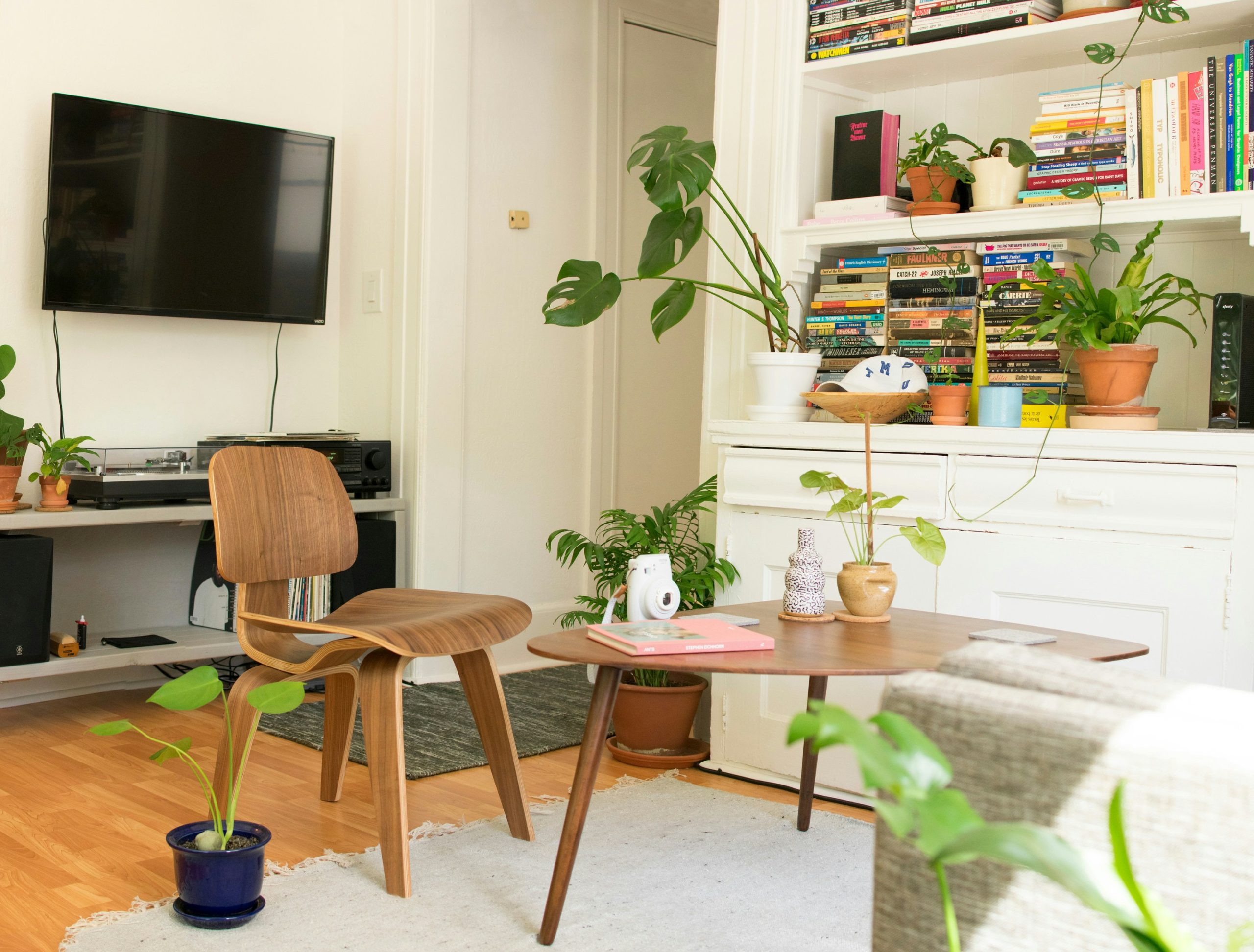
Here’s how you can embrace green living with some smart, sustainable home ideas.
The Power of Location
Before we dive into specific features, let’s consider the very foundation of your green home: its location. Choosing a wisely placed home can significantly reduce your environmental impact and energy needs:
- Think Compact: Smaller homes naturally require less energy to heat and cool. Consider maximizing space with clever design and built-in storage instead of sprawling square footage.
- Harness the Sun: Look for a lot with good sun exposure. South-facing windows will allow you to capture natural light and warmth in the winter, while strategically placed trees can provide shade in the summer.
- Community Matters: Living in a walkable neighborhood allows you to ditch the car for everyday errands and commutes. Look for developments that prioritize green spaces and sustainable building practices.
What Makes a Home “Green”?
A green home goes beyond just saving energy. It’s about creating a space that reduces its overall impact on the environment and your health. This means efficient use of energy, water, and other resources, while providing a healthy living environment. Now let’s talk about your choices when building green vs. greening an existing home.
Building Green: Smart Choices from the Start
If you’re building a new home, you have a fantastic opportunity to incorporate eco-friendly features from the ground up:
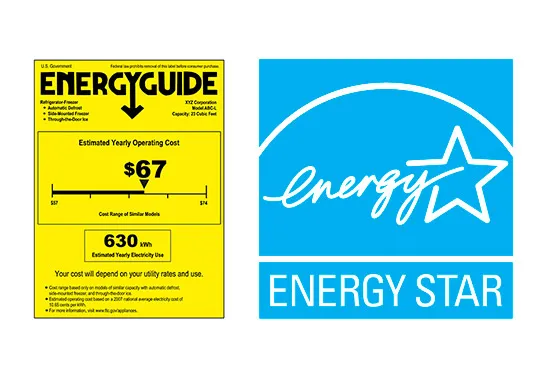
- Energy Star Certified Homes: The EPA and DOE Energy Star program recognizes homes that meet strict energy-efficiency standards. These homes often boast superior insulation, high-performance windows, and efficient heating and cooling systems, resulting in significant energy savings.
An Energy Star certified home is at least 10% more energy efficient than homes built to standard code and achieves a 20% improvement on average. This efficiency is achieved through enhanced insulation, high-performance windows, tight construction and ducts, efficient heating and cooling equipment, and Energy Star certified lighting and appliances. Here’s what you need to know:
Enhanced Insulation: Keeps the desired temperature in your house more consistent while using less energy.
High-Efficiency Windows: These reduce energy loss and keep the elements outside where they belong.
Tight Construction: Minimizes the holes and cracks in the outer envelopes of your home which can lead to heat loss and gain.
- LEED Certified Residential: This US Green Building Council designations signifies residential construction optimized for energy efficiency, using less resources and providing a healthier living environment for families. These homes boast enhanced indoor air quality, natural lighting, and utilize safe building materials, which not only support well-being but also deliver significant financial benefits through lower utility costs. Additionally, with robust design aimed at resilience and sustainability, LEED homes not only offer savings and health benefits but also contribute positively to their communities and the environment.
- WELL Building Certification: The WELL Building Standard® champions a holistic approach to building design, focusing on enhancing the health and wellness of occupants. By considering air quality, water, nourishment, light, fitness, comfort, and mental health, WELL-certified spaces aim to ensure that every aspect of the built environment contributes positively to the occupants’ nutrition, fitness, mood, sleep patterns, and overall well-being, making it an integral part of creating health and sustainability-focused living and working spaces.
- Sustainable Materials: Opt for building materials with recycled content or those sourced from renewable resources like bamboo or sustainably harvested wood. Selecting the right materials can impact both the environment and the indoor quality of your home. For example, fast-growing and sustainable, bamboo and cork are ideal for flooring. Recycled Metal and Glass can be used in everything from roofing to countertops. You want to look for sustainably sourced materials that are durable and recyclable.
- Smart Design: A well-designed home can maximize natural light and ventilation, reducing reliance on artificial lighting and air conditioning.
Greening Your Existing Home: Easy Wins and Rewarding Upgrades

Don’t worry if you’re not building a new home – there are countless ways to make your existing space more eco-friendly:
Energy Efficiency:
- Seal the Deal: Drafty windows and doors are energy vampires. Invest in weatherstripping and caulking to seal air leaks and improve insulation.
- Upgrade Your Appliances: Look for Energy Star certified appliances when it’s time to replace old ones. These models use significantly less energy, resulting in lower utility bills. Think dishwashers, refrigerators, washing machines, and even light fixtures!
- Smart Thermostat Savvy: Install a programmable thermostat to automatically adjust the temperature when you’re away or asleep.
- Let There Be Light (the Efficient Kind): Swap out traditional incandescent bulbs for LED lights. LEDs use a fraction of the energy and last much longer, saving you money in the long run.
- Power Down Completely: Don’t underestimate the phantom energy drain from electronics that are always plugged in, even on standby. Get in the habit of unplugging chargers, TVs, and other devices when not in use.
- Green Power Options: Switching to green power through your utility provider or installing solar panels can significantly reduce your greenhouse gas emissions. Here’s how you can integrate green power:
- Solar Panels: An upfront investment that pays off in the long run, providing free, renewable energy for your home.
- Green Power from Utilities: Many providers offer plans that source electricity from renewable sources like wind and solar.
Water Efficiency: Reducing Your Home’s “Water Footprint”
Implementing water-saving techniques and fixtures can drastically reduce your home’s water consumption and lower your utility bills.
- Low-Flow Fixtures: Replace your showerheads, toilets, and faucets with low-flow models. You’ll be surprised at how little you actually need for a refreshing shower, flush, or a clean sink without sacrificing performance.
- Fix the Drips: A leaky faucet can waste gallons of water a day. Fix those drips promptly to avoid unnecessary water loss.
- Water-Wise Landscaping: Choose drought-tolerant plants for your landscaping. Consider using mulch to retain moisture in the soil and reduce the need for frequent watering.
- Full Loads Only: Run your washing machine and dishwasher only when they are completely full.
- Shorter Showers: Challenge yourself to shorter showers. Every minute counts when it comes to water conservation!
- Rainwater Harvesting Systems: These systems collect rainwater for use in gardening and, with proper treatment, for domestic use.
Renewable Energy Sources:
- Solar Power: Harness the power of the sun! Installing solar panels can significantly reduce your reliance on traditional electricity and potentially even allow you to sell excess energy back to the grid.
- Wind Power: For homes in windy locations, consider a small wind turbine to generate your own electricity.
Indoor Air Quality: Essential for a Healthy Home
Good indoor air quality is crucial for a green home. Avoid materials that off-gas harmful chemicals and invest in good ventilation systems to keep the air fresh and clean.
- Low-VOC Products: Choose paints, sealants, and adhesives that emit fewer volatile organic compounds.
- Proper Ventilation: Systems like ERVs (Energy Recovery Ventilators) ensure that your home has a constant supply of fresh air while conserving energy.
Make the Most of Your Outdoor Space
Creating a green outdoor space is just as important as the interior. Consider xeriscaping to reduce water usage, plant native species to support local wildlife, and use permeable paving materials to improve ground water absorption.
Sustainable Living Practices:
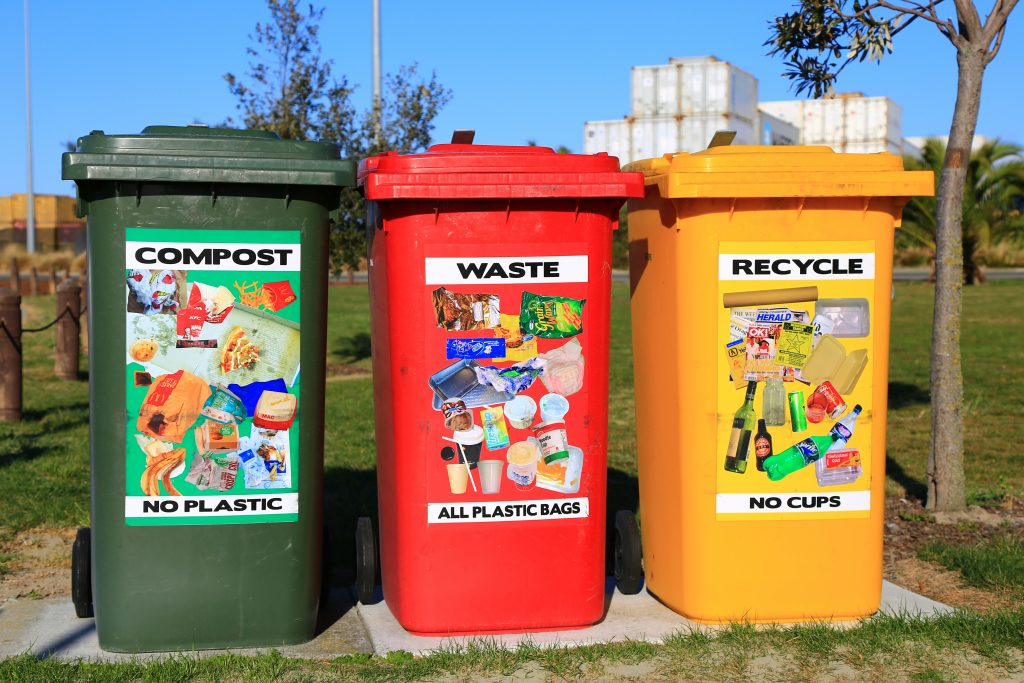
- Embrace the Reusable: Ditch disposable items like plastic water bottles, coffee cups, and grocery bags. Invest in reusable alternatives that you can use for years to come.
- Compost Power: Start a compost bin and turn your food scraps into nutrient-rich fertilizer for your garden.
- Wise Shopping: When purchasing new items, prioritize products made with recycled materials or those produced by sustainable companies.
Reducing Waste and Consumption:
- Planning Your Meals: Plan your meals for the week to avoid impulse purchases and food waste.
- Buy in Bulk (Smartly): Purchase staples like grains and beans in bulk to reduce packaging waste. Just be sure you have proper storage to prevent spoilage.
- Shop Local and Seasonal: Support local farmers and reduce your carbon footprint by buying fruits and vegetables that are in season.
- Embrace Repair: Don’t be so quick to toss! Learn basic repair skills or find a local repair shop to breathe new life into your belongings.
Smart Home Technology: Your Green Ally
Technology can be a powerful tool for green living. Leverage smart home technology to enhance your home’s efficiency. Smart thermostats, lighting, and appliances can help manage your energy use more effectively, ensuring that you’re only using energy when it’s needed.
- Smart Thermostats: Programmable thermostats can help you regulate your home’s temperature efficiently based on your schedule. Some smart thermostats go even further, learning your routines and automatically adjusting for optimal thermal comfort and energy savings for heating and cooling.
- Energy Monitoring Systems: Get real-time information about how much energy your home is using and tips on how to reduce consumption.
- Smart Lighting Systems: Smart lights allow you to control your lighting remotely and set schedules. Imagine turning off lights you forgot about from your phone, eliminating wasted energy.
- Smart Irrigation Systems: Take the guesswork out of watering your lawn. Smart irrigation systems monitor weather conditions and soil moisture to ensure your plants get the exact amount of water they need.
Embracing the green home: Putting it all together.
Embracing green home ideas isn’t just about making a single change; it’s about transforming how we think about and interact with our environment. At the same time, creating a green home isn’t about deprivation; it’s about making conscious choices that benefit the environment and your wallet. By incorporating these ideas into your lifestyle, you’ll be surprised at how easy and rewarding it can be. Remember, every little bit counts!
Greening your home can be a beautiful journey.
Start small if you need to—every step towards sustainability counts in building a healthier, more responsible home. Here at Eco Savvy Shopper, we’re here to support you on your green journey. We’ll continue to share eco-friendly tips, product recommendations, and resources to empower you to create a sustainable and stylish home. Together, we can build a greener future—one home at a time.
Ready to take action? Here are some helpful resources to get you started:
- Energy Star: https://www.energystar.gov/
Explore a wealth of information on energy-efficient products, home features, and green building practices. - Department of Energy: https://www.energy.gov/scep/home-energy-rebates-programs
Find resources and rebates for renewable energy sources like solar and wind power. - Environmental Protection Agency: https://www.epa.gov/sustainability
Learn about sustainable living practices and ways to reduce your environmental impact. - WELL Building Standard: https://standard.wellcertified.com/well
Dive into the WELL Building Standard, a performance-based system focused on human health and wellness within the built environment across seven core concepts. - US Green Building Council LEED Certification: https://www.usgbc.org/leed/rating-systems/residential
Explore LEED Certification for residential projects, a globally recognized symbol of sustainability achievement that emphasizes healthier, highly efficient, and cost-saving green buildings.
Let’s work together to create a greener future, one eco-friendly home at a time!